







Search Results for: flavor layering

How Does Pour-Over Coffee Reveal Layering? Analyzing the Difference Between Layers and Layering, Plus Four Practical Techniques
Many coffee enthusiasts often mention the term "layering" during tasting, but what exactly is layering? How does it differ from plain "layers"? This article, from the perspective of Front Street, uses visual comparisons to help understand the meaning of layering, then returns to coffee tasting to analyze the manifestations of rich layering and two typical cases of lacking layering. At the same time, Front Street will share four practical methods, including coffee bean selection, fines retention, staged pouring, and adjusting the coffee-to-water ratio, to help you better present the layering of coffee during pour-over brewing. [more…]

What does "layering" mean in pour-over coffee? How can you improve the layering of coffee?
When tasting coffee, we focus on flavor, mouthfeel, and aftertaste, but when it comes to complexity, few people understand what it means. In this article, Front Street Coffee will help you understand complexity in coffee!! When a coffee is rich in complexity, it means that in one sip, you can clearly perceive multiple flavors, that is, [more…]
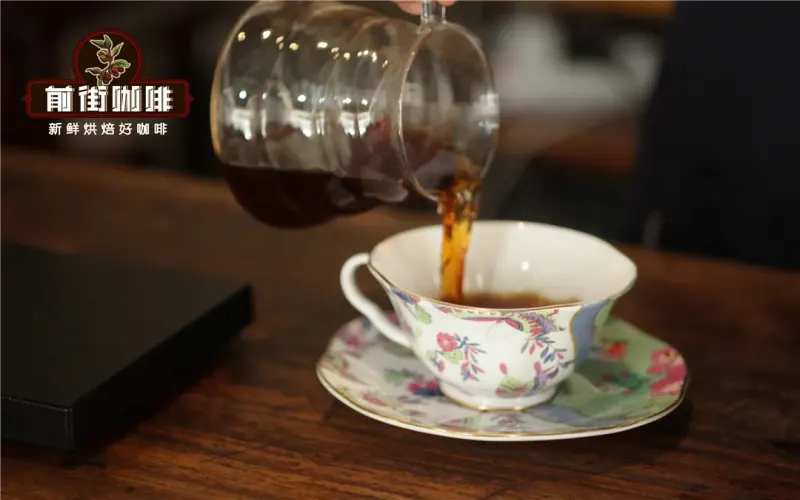
What Exactly Is Coffee Layering? Master Pour-Over Water Temperature, Grind Size, and Coffee-to-Water Ratio Adjustment Techniques to Enhance Flavor Layering
Have you ever encountered a situation like this: the same coffee beans, when brewed by someone else, come out rich in layers and full-bodied, but when you brew them yourself, they taste flat and bland? In fact, the layering of coffee refers to the ability to clearly discern the flavor changes at different stages in the mouth as the temperature drops. This article starts from a brewing experience at a Front Street store and takes a deep dive into several key factors that affect layering—the retention of fines, the trade-off with bitterness, the control of concentration, and adjustments to the pouring technique. Although growing, processing, and roasting have long determined the upper limit of layering, in the brewing stage we can still fine-tune parameters such as water temperature, grind size, and coffee-to-water ratio to seek a richer flavor expression within uneven extraction. [more…]

How can coffee reveal rich layers in the mouth? A complete approach from bean selection to brewing
Many coffee enthusiasts hope that the coffee they brew is not just a single flavor, but can present changes and rich sensations in the mouth—this is what is called layering. How exactly is layering defined? It is reflected both in the evolution of sweet, sour, bitter, and salty tastes and in whether the flavors are clearly distinguishable. To get a cup of coffee with rich layering, you need to start from multiple steps: bean selection, processing method, retention of fines, adjustment of the coffee-to-water ratio, and pouring method. This article will systematically sort out the key points for brewing layering, from conceptual understanding to practical methods, to help you adjust parameters with more direction in daily brewing, making the coffee's flavor expression more three-dimensional and clearer. [more…]
From Exocarp to Endosperm: Breaking Down the Coffee Cherry Layer by Layer, and How Processing Methods Shape the Flavor in Your Cup
Every coffee cherry is like a miniature flavor factory, with six layers—from the outermost skin to the seed buried deep within—each playing its own role. It is precisely the existence of these layers and the differences in how they are removed that determine the flavor directions of different processing methods such as natural, washed, and honey. The coffee tree belongs to the Rubiaceae family as an evergreen shrub or small tree, and its fruit is called a coffee cherry in the industry because its shape closely resembles a cherry. This time, we will not discuss the legend of the shepherd, nor repeat the classification of the three major varieties; instead, we will focus on the internal structure of the coffee cherry, disassembling one by one the six layers—exocarp, pulp, mucilage layer, endocarp, silver skin, and endosperm—to see how they work together to give coffee its ever-changing flavor expression. [more…]
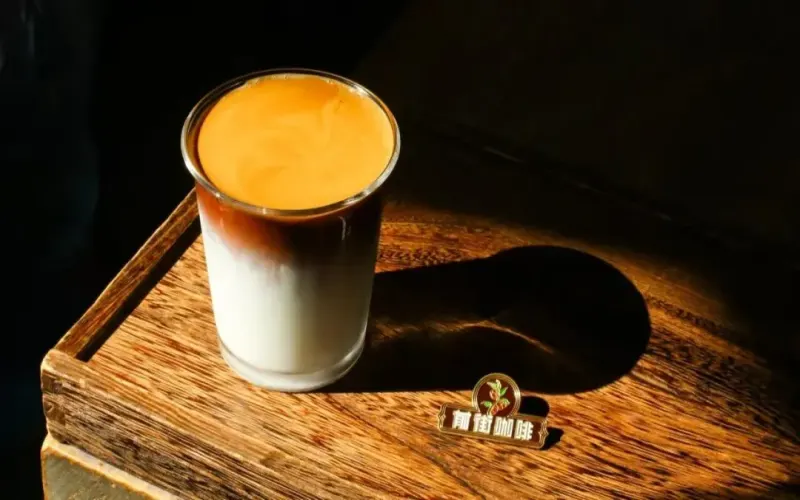
Why Dirty Coffee Layers Are Not Distinct: Causes, Solutions, and Front Street Coffee Espresso Blend Recommendation
Want to make a beautifully layered, richly flavored Dirty coffee, but always end up with the embarrassing situation where the espresso shoots straight into the milk and turns into an iced latte? In fact, the key factors affecting the layering effect are not complicated, mainly including the distance between the espresso outlet and the milk surface, the temperature and concentration of the milk itself, and the extraction quality of the espresso. This article will analyze the common causes of layering failure one by one from these three perspectives, and give specific and feasible adjustment methods, including various operational solutions for shortening the distance, suggestions for using iced milk and a chilled cup, and how to judge whether the espresso concentration meets the standard through extraction time and grind size. At the same time, it will also recommend the types of coffee beans suitable for making Dirty and the specific flavor performance of Front Street Coffee's classic Italian blend, helping coffee lovers consistently produce a cup of Dirty with clear layers and harmonious taste. [more…]
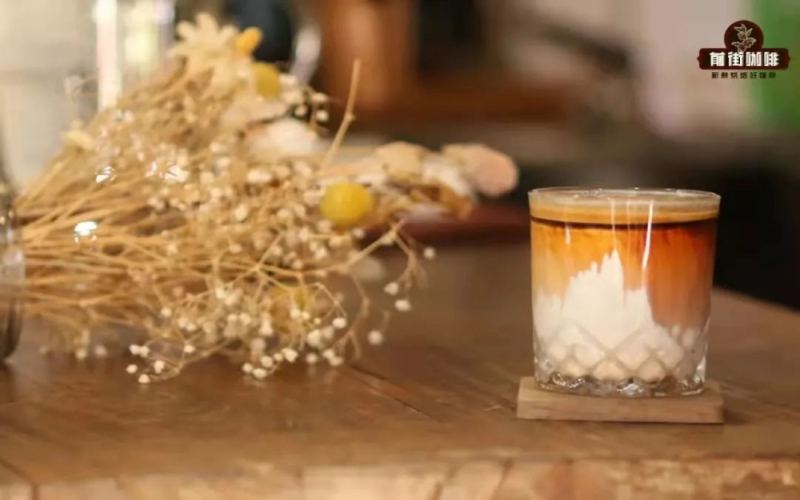
Dirty Coffee Recipe Ratio and Layering Techniques: A Full Guide to Cup Selection, the Right Way to Drink It, and Taste and Flavor Analysis
In recent years, Dirty coffee has become a signature drink at many cafés thanks to its unique hot-and-cold contrast and its striking layered appearance. Its top layer is warm espresso and its bottom layer is iced milk; there is no need to stir, and only by taking a big sip can you experience the distinct changes in flavor between layers. Starting from the origin and definition of Dirty, this article will explain in detail the mixing ratio, the key techniques for layering, the key points for choosing a cup, the correct way to drink it, and how to describe its taste, and will also explain how long it can be stored. At the same time, by combining the characteristics of three espresso coffee beans—Front Street Classic Blend, Specialty Blend, and Black Cocoa Base Blend—it will help you make a cup of Dirty that is excellent in color, aroma, and taste. [more…]
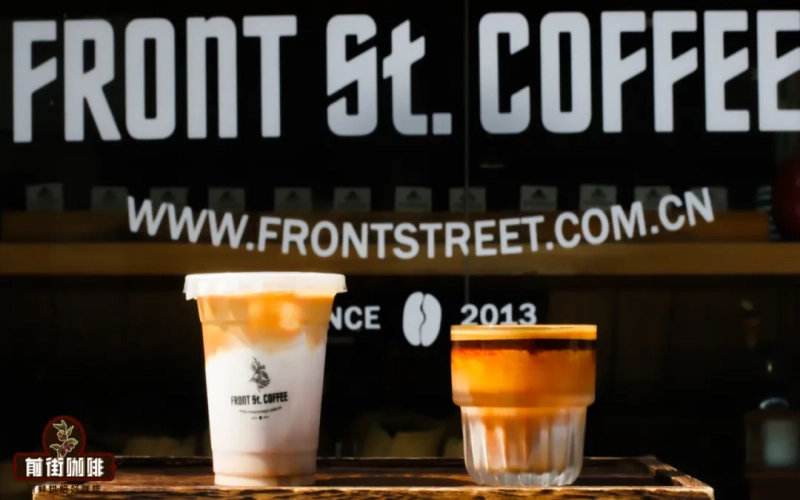
What exactly is the difference between a Dirty and an iced latte? A full breakdown of bean selection, cup size, layering, and how to drink it.
Dirty and iced latte are both combinations of cold milk and espresso, and because they look similar and use the same ingredients, they are often lumped together. But the two have significant differences in cup size, whether ice is added, cup temperature, the purpose of layering, and the way they are drunk. Dirty emphasizes taking a big gulp and experiencing the interwoven layers of hot and cold, bitter and sweet, while iced latte needs to be stirred evenly before enjoying its balanced taste. When making a Dirty, the choice of coffee beans is crucial. Front Street recommends medium-dark roasted blends or single-origin SOE beans to highlight caramel and chocolate flavors, and medium-light roasted beans can also be used to obtain fresh fruity notes. This article will, from Front Street's professional perspective, break down one by one the differences in making and tasting points between Dirty and iced latte. [more…]
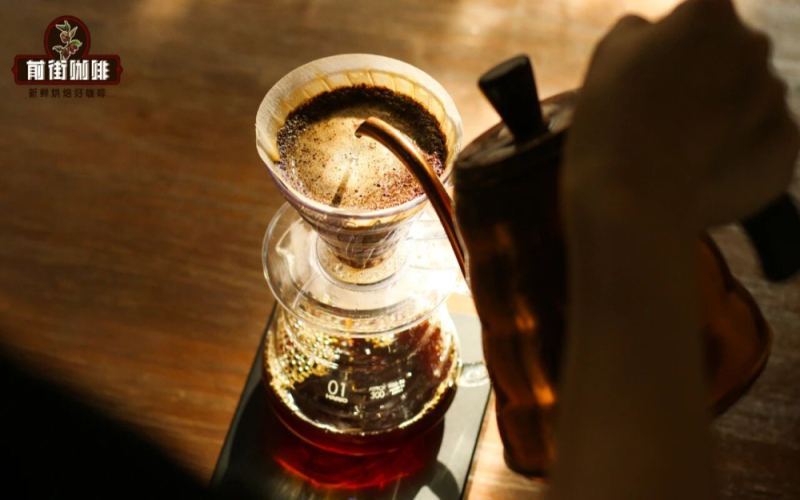
Pour-Over Beginner's Guide: How Three-Stage Pouring Extraction Makes Coffee Layers More Distinct
Segmented extraction is a common and practical brewing method in pour-over coffee. Front Street Coffee also often uses three-stage extraction in daily production to enhance the layering of the coffee. Many friends who are just getting into pour-over coffee are curious: what advantages does three-stage extraction actually have? What flavor extraction tasks does each pouring stage undertake? Why does this method make coffee taste more layered? This article will take the Panama Hacienda La Esmeralda washed Green Label Geisha as an example, separating the coffee liquid from the three extraction stages for tasting one by one, analyzing the flavor characteristics presented in the front, middle, and back stages, and comparing the overall taste changes after mixing, to help beginners understand the principles and practical application effects of three-stage extraction. [more…]
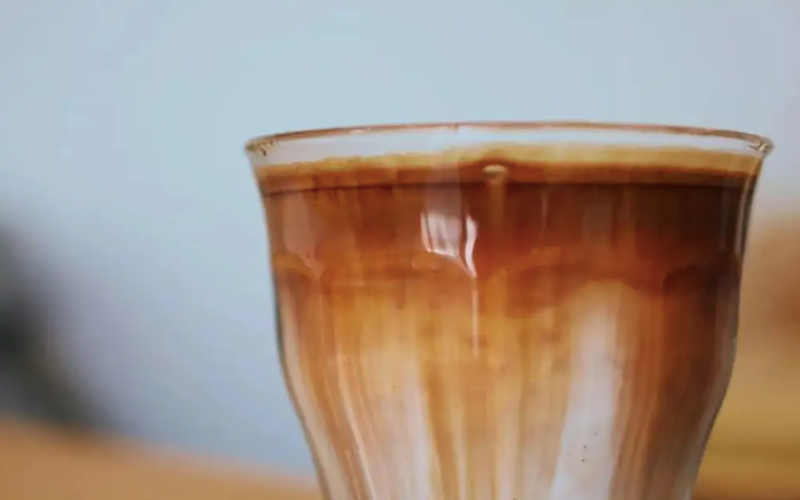
Unlocking the Ideal Methods for Dirty Coffee and Latte: Analyzing Layering Failures and Practical Tips
Do you want to recreate a beautifully layered, rich Dirty or latte at home, but always find the result far from what you get in a café? In fact, the problem may lie in a few key details: the shape of the cup, the extraction distance, the choice of coffee beans, and even the texture of the milk. This article provides a detailed breakdown of the most common reasons for failed layering in Dirty coffee, including cup selection, pouring method, coffee concentration, and milk thickness, while offering targeted operational advice. It also recommends Front Street Classic Blend and Queen's Estate SOE, which are suitable for home brewing, helping you make a Dirty or latte with both excellent visuals and flavor at home. [more…]
Why can latte coffee layer? From density principles to production details, analyzing the science of a beautifully layered latte.
Latte is the starting point for many people's journey into freshly ground coffee, but do you know why a latte can present such a beautiful layering? This article begins with the historical origins of the latte and, combined with Front Street Coffee's production experience, analyzes how the density difference between espresso and milk creates the layered effect. We will also take an in-depth look at the flavor characteristics, extraction parameters, and milk frothing techniques of Front Street Sunflower Warm Sun blend beans, and compare the layering principle and drinking method of Dirty coffee. Whether you want to understand the science of lattes or want to recreate a cup of layered milk coffee at home, this article can provide you with practical reference. [more…]
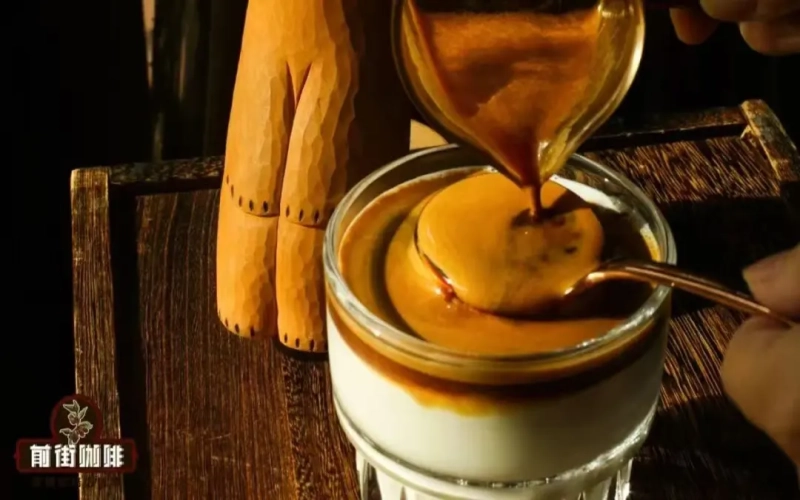
Why Dirty Coffee Doesn't Layer: Master Three Key Details to Make a Perfectly Layered Dirty Coffee
Dirty coffee may seem to require only two ingredients—milk and espresso—but the actual preparation hides a fair amount of know-how. Many people who try it at home often run into problems like no layering or overly blended flavors, and the result falls far short of what a coffee shop produces. In fact, as long as you avoid three common pitfalls—ignoring the layering, choosing the wrong cup, and adding ice blindly—you can easily make a Dirty with distinct layers and a strong contrast between hot and cold. Front Street Coffee will combine real brewing experience with a classic blend bean to break down the principles behind every detail and the correct methods, helping you make a dirty coffee even better than a café's. [more…]
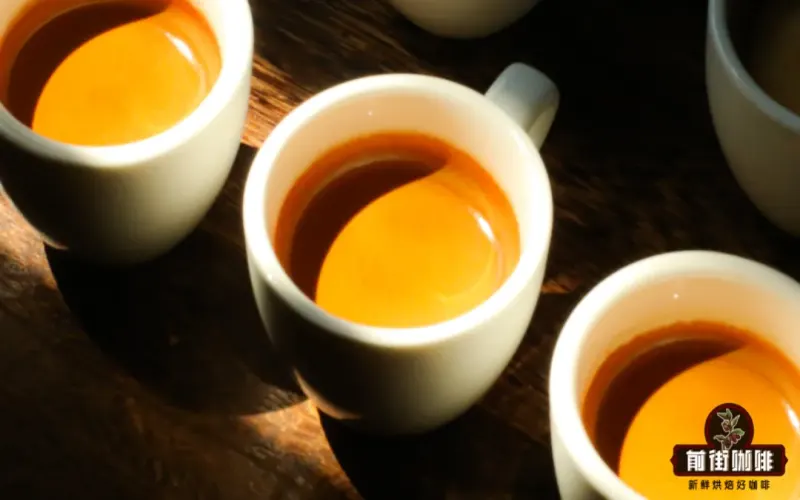
Five Practical Methods to Improve Espresso Extraction Uniformity and an Analysis of Flavor Differences
Under the same extraction yield, the level of uniformity leads to drastically different flavor directions—when uniform, the cup is balanced and solid with a long finish; when uneven, it is layered and clearly structured. Most drip coffee extractions naturally have differences between the upper and lower layers and between the inner and outer layers, which has led many coffee enthusiasts to explore how to make espresso extraction more uniform. From the perspective of Front Street, this article outlines five actionable improvement approaches: placing filter paper at the bottom of the portafilter basket, switching to a high-density basket, low-pressure pre-infusion, reducing the dose to thin the coffee bed, and adjusting the brew ratio to increase liquid weight. Through a comparative experiment with Front Street Espresso Strawberry Candy, it presents the specific differences in flavor expression between the two extraction styles. [more…]
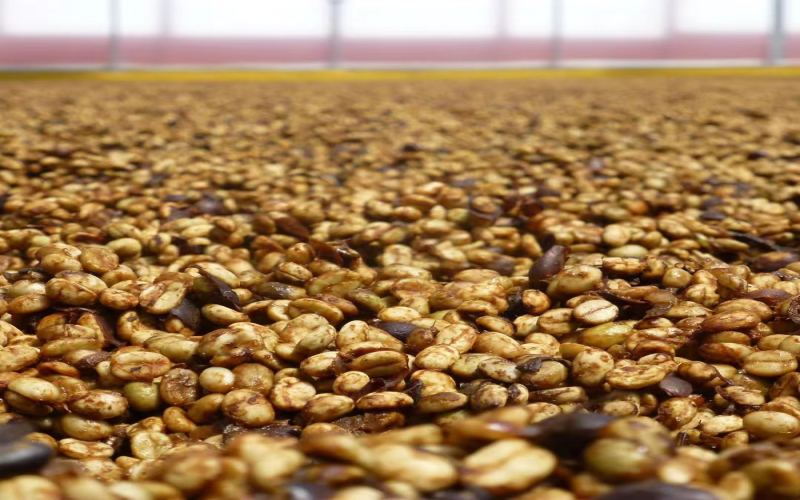
A Complete Guide to Honey Processed Coffee: How the Percentage of Retained Mucilage Affects Flavor and Drying Methods
Honey processing is a green bean processing method that has been highly sought after in the specialty coffee field in recent years. It originated in Costa Rica in Central America and, by retaining the mucilage layer surrounding the coffee bean during drying, gives the coffee a unique balance of sweetness and fruit acidity. This article will analyze, one by one, the origin of the name honey processing, why it is favored by coffee farmers, the specific operational steps, and the differences and pros and cons of the three processing methods: yellow honey, red honey, and black honey. At the same time, we will also share Front Street Coffee's roasting curve, cupping flavors, and pour-over parameter recommendations to help coffee lovers fully understand the essence and commercial considerations of this processing method. [more…]
The Core Differences Between Dirty Coffee and Latte: Layering Principles, Proper Brewing Methods, and an Analysis of Why Crema Is Missing
Dirty coffee, with its gradient layers created by the interplay of espresso and cold milk, has become a popular drink in coffee shops in recent years, prized for both its visual appeal and its ability to spark conversation. It is essentially a latte that is not served over ice and is drunk in a special way, but many people who try to recreate it at home often run into the problem of failed layering, with the coffee and milk blending into one. Drawing on Front Street Coffee's hands-on experience, this article systematically sorts out the differences between a Dirty and a latte, analyzes one by one the five key factors—cup selection, coffee bean roast level, extraction distance, coffee concentration, and milk texture—and offers corresponding solutions to help you make a Dirty coffee with clearly defined layers and a rich, mellow taste. [more…]
Ethiopia Hambela Estate Single-Layer Sun-Dried Slow Fermentation Method: How the SLD Process Creates High-Quality Natural Beans
Ethiopia, as the birthplace of coffee, has seen a continuous emergence of high-quality lots in emerging producing regions such as Guji in recent years. This article focuses on the single-layer sun-dried slow-drying Lot 121 produced by a single farm in St. Lion Village of Front Street Hambela Estate, offering an in-depth analysis of this rare processing method known as SLD—where only a single layer of coffee cherries is spread on raised beds, the drying period is strictly controlled at around 18 days, and the fruit is allowed to fully ferment through the most perfect convection environment, thereby imparting fuller sweetness and body to the coffee beans. The article also examines why Ethiopia's smallholder-dominated production system makes single-farm traceability difficult to achieve, how Hambela Estate owner Aman adheres to quality at extremely high cost, and compares the subtle flavor differences between the Guji region and Yirgacheffe. [more…]
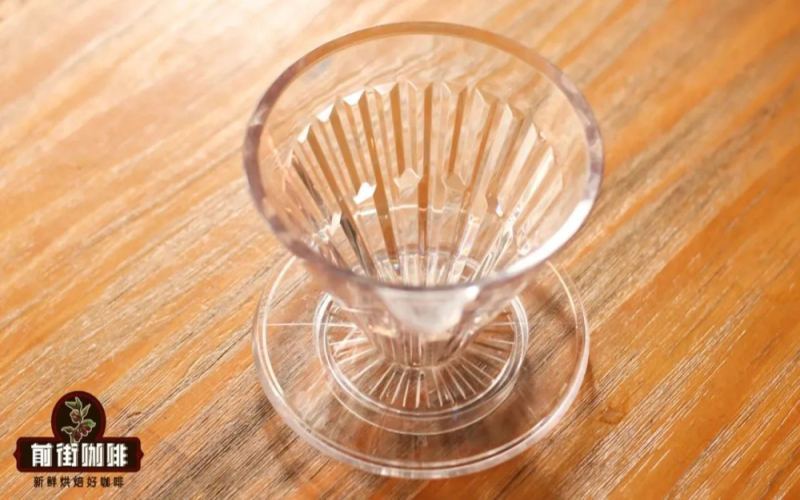
Detailed Explanation of Flavor Differences and Pour-Over Techniques Between Ice Eye Dripper and V60 When Brewing Costa Rican Coffee
Would you like to understand the flavor differences between brewing Costa Rican coffee with the Ice Eye dripper and the V60 dripper? This article starts with the structural characteristics of the drippers, compares in detail the extraction principles of the Ice Eye dripper and the V60 dripper, and presents the different flavor performances brought by the two drippers through actual brewing tests with Front Street Strawberry Candy coffee beans. We will also share our experience using the Ice Eye dripper and offer brewing suggestions for different coffee beans. Whether you are a coffee beginner or a seasoned enthusiast, you can find practical methods here to improve your pour-over skills. [more…]
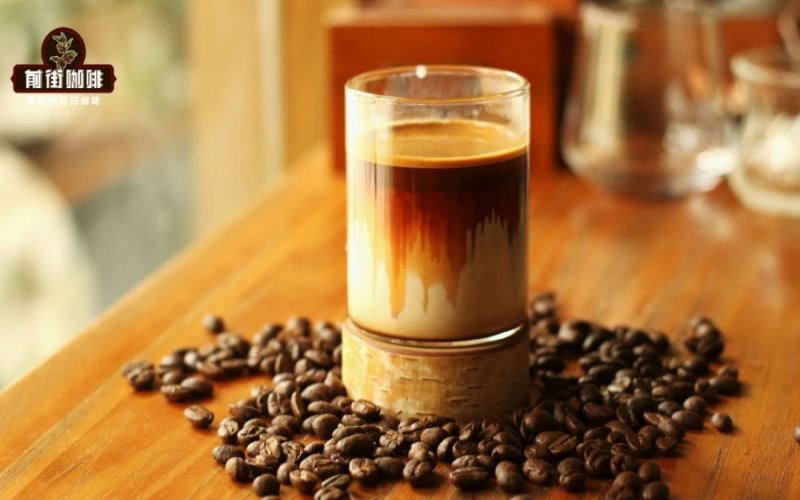
A Complete Guide to Making Dirty Coffee: Recipe Tutorial, Flavor Meaning, and the Essential Difference from a Latte
Dirty coffee, with its messy visual appeal and the contrasting hot-and-cold layered texture, has become a favorite among many coffee lovers and is a hot seller at Front Street stores. However, many people who try to recreate it at home often fail to achieve the layering, with the coffee liquid mixing directly into the milk. This article breaks down the reasons for Dirty layering failures from five aspects: coffee bean selection, cup shape, extraction distance, coffee liquid concentration, and milk texture, and provides Front Street's practical experience and product recommendations. It also explains what exactly sets Dirty apart from a latte, helping you make a cup of Dirty that is both beautiful and delicious. [more…]

Can a Hot Dirty Coffee Be Achieved? Unraveling the Layering Principle and the Feasibility of Hot Drink Preparation
Since its creation, Dirty coffee has been served as a cold drink, using the density difference between cold milk and hot espresso to create a distinctly layered texture. But many coffee enthusiasts have raised the question: can Dirty be made as a hot beverage? This article begins with Front Street Coffee's secret menu, traces the origins and core production of Dirty, and deeply analyzes the feasibility of hot Dirty. Through actual testing with a specially made ice ball to rapidly cool the espresso and heating the milk, an attempt is made to replicate the layered effect, and the flavor differences between the iced and hot versions are compared. The article also explores the limitations of hot Dirty in café service, answering for coffee enthusiasts why hot Dirty is difficult to become a regular option. [more…]
In-Depth Analysis of Single-Layer Sun-Dried Slow Fermentation (SLD): How the Hambela Region Produces High-Quality Natural Coffee
In the Guji region of Ethiopia, there is a place called Hambela that is quietly changing people's perception of natural coffee. Here, a processing method known as SLD—Single Layer Drying slow fermentation—is used, spreading coffee cherries in a single layer on raised beds and subjecting them to about 18 days of precise drying, so that every cherry receives the most even airflow and the fullest fermentation. Although this technique takes up more space and time, it gives the beans fuller sweetness and greater storage potential. Compared with traditional Yirgacheffe, Hambela coffee is gentler in acidity, yet superior in sweetness and body. This article will take you deeper into what makes this processing method unique and how it influences the final flavor of the coffee. Front Street Coffee also particularly recommends paying attention to beans from this region and experiencing their appealing expression, as warm and smooth as fruit tea. [more…]